All Categories
Featured
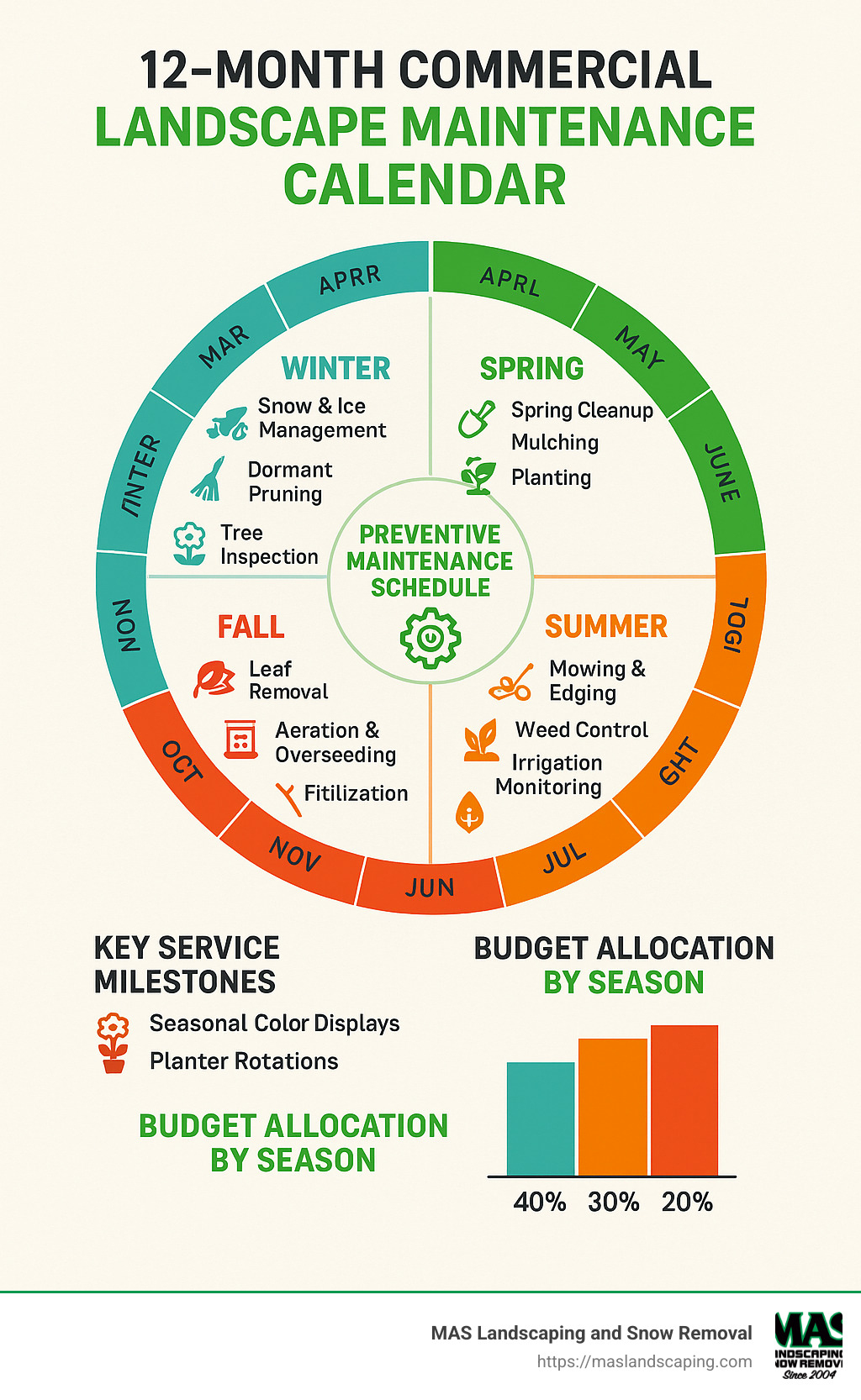
Top Strategies for Grounds Asset Management
Table of Contents
Current legislative modifications enforce brand-new requirements for owners of California industrial residential or commercial properties, a minimum of with respect to specific given kinds of renters. Effective Jan. 1, 2025, the Commercial Tenant Protection Act, enacted in the Civil Code as SB 1103, reaches "Certified Business Tenants (QCTs)" securities of the sort formerly relevant to occupants in residential scenarios.
Beginning in 2025, commercial homeowner and supervisors face extra legislative requirements and restrictions when handling QCTs. The Commercial Tenant Security Act represents a new legal foray into business leasing matters formerly left susceptible to contractual settlement and bargaining power; these protections for small companies, nonprofits and food operators look like similar defenses against lease increases, eviction controls and other procedures in the residential leasing context and might prove notable if they hint other legislative attempts in the future to safeguard little renter operators in industrial settings.
For rent increases of 10 percent or less of the rent charged throughout the previous 12 months of such tenancies, owners must provide QCTs at least 1 month' notice before the increase works. For increases of more than 10 percent, owners must offer at least 90 days' notice ahead of time.
Key Trends in HOA Landscape Management
Third, lease agreements with QCTs worked out mostly in Spanish, Chinese, Tagalog, Vietnamese or Korean must be translated into such language, and the translation must be delivered to the QCT. 4th, and most significantly, owners may gather structure operating expense from QCTs just if they 1) assign such costs proportionately to each occupant and 2) supply in-depth and itemized supporting documents thereof.
For more details about how this law affects the ownership and management of commercial properties in California, get in touch with the authors or your Holland & Knight West Coast Property Practice Group attorney.
Efficient property compliance management requires an organized approach that combines technology, procedures, and clear accountability. The following framework addresses the 5 most common compliance management failures.
Commercial Entryway and Courtyard MaintenanceHow AI Redefines Modern Maintenance Efficiency
Crucial compliance dates-- fire safety evaluations, elevator accreditations, lease commitment deadlines-- need automated signals with escalation paths. Every assessment, maintenance activity, and compliance action must be recorded with dates, responsible parties, results, and supporting evidence (pictures, certificates, reports).
Register for regulatory upgrade services from pertinent authorities (NFPA, OSHA, HSE, local building departments). Appoint duty for keeping track of modifications and evaluating their effect on your portfolio. In 2026, essential modifications include FinCEN property genuine estate reporting requirements and upgraded ADA compliance requirements. Schedule quarterly internal compliance evaluates that check conclusion rates, recognize overdue items, and assess whether present procedures are keeping speed with portfolio development.
A brand-new Business Building Upkeep Code was approved by Town Council on January 6th after a public hearing. The purpose of this code is to set requirements for industrial buildings within the business limits of Rutherfordton, due to the fact that all existing standards within our code of ordinances only address residential structures. The Town was able to craft this ordinance with the assistance of the UNC School of Government and the Town's Attorney, Beth Miller.
Managing Business Park Grounds through 2026
Because this brand-new code handle North Carolina General Statute 160D Land Use Regulations, our Preparation Board examined the regulation before Town Council back in November 12th, 2020. They voted to advise the code to Town Council as the board collectively saw the fantastic requirement for this code. Below is a basic introduction of the brand-new code: This code applies to all uninhabited and occupied business structures within the Town limitations If a structure is a combination of both industrial and domestic, both codes would use.
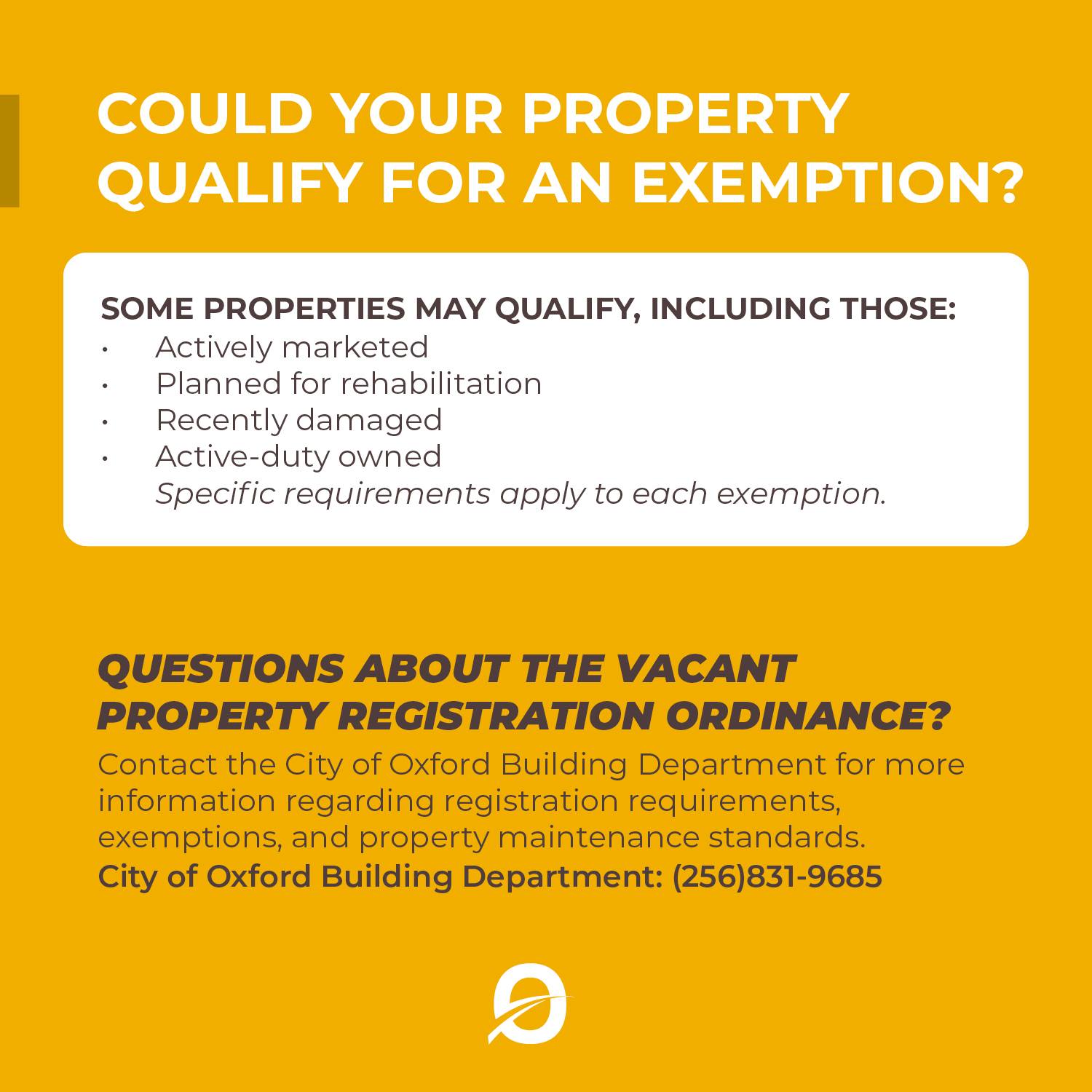
It fulfills the purpose by: developing minimum standards for commercial buildings and structures; listing specific timeframes for easing off infractions; and producing an uninhabited home registry. Enforcement for this code is consistent with NCGS 160D-1129, which starts with an investigation from the Town's Code Enforcement Officer and an order of reduction.
To check out the entire building upkeep code, please click on this link.
Future Maintenance Standards for Institutional Real Estate
Property upkeep management has gone into a new era. In 2026, the space in between facilities that operate on intuition and legacy spreadsheets versus those powered by intelligent digital platforms has actually never ever been broader or more substantial. Rising labor costs, aging building facilities, tighter regulative requirements, and occupant expectations that leave no room for reactive thinking are requiring property operators across every sector to fundamentally reassess how they prepare, carry out, and track upkeep operations.

Latest Posts

Enhancing First Impressions for Premier Business Parks

Adapting Traditional Landscape Models

Maintaining Curb Appeal for Modern Corporate Hubs